Charlotte homes work hard. Summer heat loads up air conditioners, winter cold strains heat pumps, and year-round, EV chargers, smart devices, and kitchen appliances keep panels busy. Small electrical issues hide until they trip a breaker, scorch a receptacle, or worse. An annual electrical inspection keeps the system honest before repairs get expensive. For homeowners searching electrical repair Charlotte NC, the smartest money is often spent on prevention.
What an Annual Inspection Actually Catches
A proper inspection is more than a quick glance at breakers. A licensed electrician looks for heat, loose terminations, water intrusion, and code gaps that add risk. In many Charlotte homes built before 2000, panel lug torque drifts, aluminum branch circuits need special attention, and GFCI/AFCI protection is incomplete. Add renovations in South End condos or older rewires in Dilworth bungalows and the chances of mixed wiring methods go up.
Most problems show up as patterns. Light flicker under load points to a weak neutral. A warm two-pole breaker suggests an overworked heat pump circuit. Tripped AFCIs in the bonus room often trace to a nail nick in a cable run. These are fixable now, and costly later.
Local factors Charlotte homeowners should consider
Humidity and summer storms drive many service calls. Attic junction boxes in Myers Park hit 130–150°F in July, which loosens back-stabbed connections. Crawlspace moisture in Plaza Midwood corrodes splices. Lightning activity around Lake Wylie and Mountain Island Lake can scar surge protectors and leave panels partially protected. An annual inspection spots heat damage, corrosion, and surge wear that would otherwise sit until failure.
Growth is another factor. Charlotte homes add EV chargers, home offices, and backyard studios. The typical 150–200 amp service may have capacity on paper, yet still present nuisance trips or overheating due to poor load balancing across phases. An inspection includes a load review and recommends moves that keep heavy loads on separate legs, avoiding constant strain.
What a licensed electrician checks during a yearly visit
A thorough inspection takes about 60–120 minutes for most single-family homes, longer for large properties or detached buildings. The sequence matters, because heat, imbalance, and code protection tell a story together.
- Panel and service equipment: Inspect main lugs for heat marks, confirm torque, check bus stab tension, note double-lugged neutrals or grounds, verify labeling, and look for recalled equipment. Many local panels still carry breakers that are past service life. Grounding and bonding: Confirm the water bond at the correct location, verify grounding electrode conductor size, and inspect ground rods and clamps. In older neighborhoods with copper piping upgrades, bonds get cut during plumbing work and never reconnected. Breaker health and protection: Test GFCI/AFCI function, confirm protection where code requires it, and mark missing coverage in kitchens, baths, laundry, garages, and outdoor circuits. A $25 GFCI device often prevents a $2,500 damage claim. Branch circuits and connections: Sample receptacles for reverse polarity, weak grips, and back-stabbed terminations. Check aluminum branch circuits for proper connectors. Look for overheated neutrals on multi-wire branch circuits. Outdoor and damp locations: Verify in-use covers, correct weather-resistant receptacles, proper fittings on conduit, and intact light seals. Charlotte’s storms drive water where flimsy covers fail.
This work is diagnostic, not disruptive. Access to the panel, a few outlets, GFCI/AFCI devices, and obvious junction points covers most of it without opening walls.
Signs that should trigger an earlier appointment
Annual is the baseline. Specific symptoms deserve faster attention. A burning odor at a receptacle or panel, a breaker that trips after it cools, tingling from a metal appliance, or lights dimming when the microwave runs are urgent signals. Repeated bulb failures on the same fixture, even with LEDs, usually means heat at the socket or a loose neutral. If an EV charger randomly faults, the upstream circuit might be undersized or miswired. Do not wait for the next inspection window; request electrical repair Charlotte NC service immediately.
Safety, insurance, and code reality in Mecklenburg County
Most insurers like documentation. An annual electrical report shows the system has been reviewed and maintained, which can help during a claim after a surge or a water event. Permitting in Mecklenburg County remains straightforward for corrective work, and most repairs under 30 amps and device replacements do not require days of lead time. Where panel changes, service upgrades, or generator interlocks are involved, planning during an inspection avoids costly rework.
Homes built before 2014 often lack combination AFCI protection in bedrooms and living areas. Retrofitting can be staged to match budget and risk. A phased plan might start with kids’ rooms and the primary bedroom, then move to living areas the next year. An inspection electrical repair service turns code theory into a practical schedule with priorities tied to real conditions.
The math: small fixes now versus big repairs later
In local service data, loose neutral terminations, missing GFCIs, and damaged exterior receptacles make up a large share of avoidable issues. A typical annual inspection with minor tightening, a couple of GFCI swaps, and labeling runs a few hundred dollars. Compare that with a scorched bus in a panel, which often leads to a panel replacement in the $2,000–$3,500 range, plus potential drywall work. Whole-home surge protection costs roughly the price of a high-end appliance repair and can save multiple devices in one summer storm. Prevention is plain math that favors the homeowner.
What to expect from Ewing Electric Co. during an inspection
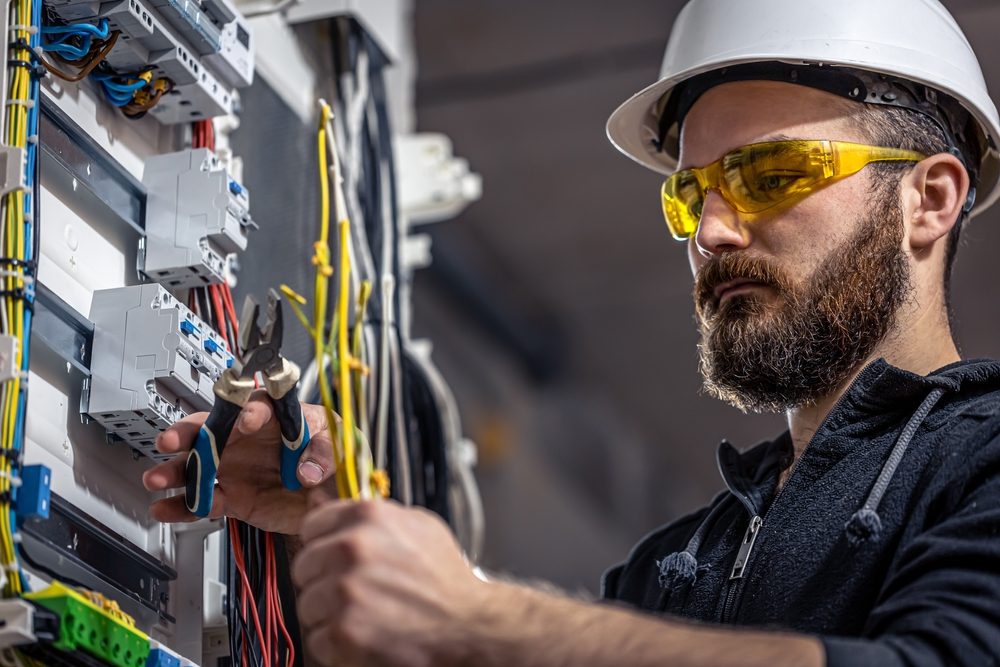
Ewing Electric Co. serves Charlotte proper and nearby areas like Ballantyne, Steele Creek, NoDa, Matthews, and Huntersville. The team shows up with thermal imaging, a torque wrench set, arc-fault testers, and a clear checklist. The technician starts at the service equipment, reviews grounding, and then moves room by room to sample outlets and devices. Findings are explained in simple language with photos. Urgent items get same-day repair if approved. Non-urgent items are grouped into good, better, and best options so the homeowner can plan.
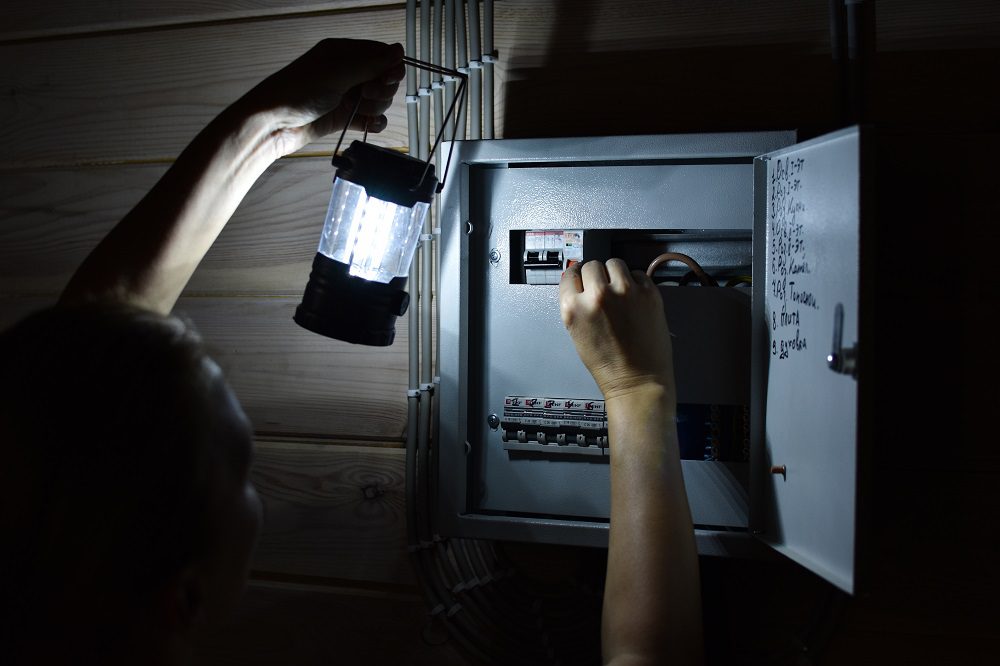

Charlotte homeowners often ask about scheduling. Mid-spring and early fall are ideal. It is cooler for attic work, and electricians can fix storm-related wear before summer lightning or winter heating loads. For landlords and short-term rental owners, inspections align well with tenant changeovers and can include smoke and CO alarm testing.
Common recommendations that pay off
Several upgrades repeatedly prove their value in Charlotte homes. Whole-home surge protection at the panel handles lightning and utility-side spikes. AFCI and GFCI coverage reduces shock and fire risk. Dedicated circuits for appliances like microwaves, garage freezers, or treadmills stop nuisance trips and protect wiring. Upgrading two-wire receptacles to grounded outlets, where feasible, improves safety and equipment protection. Labeling circuits saves time during any future electrical repair Charlotte NC call.
Edge cases and judgment calls
Not every “problem” needs immediate work. Slight panel warmth under heavy load is normal. Older but intact breakers that test properly can stay in service with documented monitoring. Cloth-insulated wiring found in a few pre-war homes in Dilworth may be serviceable if not brittle or overheated, though any signs of cracking move it into a replacement plan. Exterior aluminum feeders can be reliable with antioxidant compound and correct terminations; the key is torque and ongoing checks. An inspection gives context, not just a red or green sticker.
Quick homeowner prep that makes the visit smoother
- Clear a 3–4 foot space in front of the main panel and any subpanels. Have attic and crawlspace access available if possible. List known trouble spots like dimming, tripping, warm receptacles, or EV charger faults. Note recent renovations, appliance swaps, or roofing and plumbing work that might affect bonding and penetrations. If pets need to be secured, plan for a quiet room to keep them comfortable.
How to book and what the process looks like
Scheduling is simple. Call or request service online. Share the home’s age, any remodel dates, and special loads such as a pool, hot tub, or EV charger. Ewing Electric Co. will quote the inspection, set a time window, and send a licensed electrician familiar with Charlotte code and common neighborhood issues. After the walkthrough and testing, the homeowner receives a clear report with photos, prioritized recommendations, and transparent pricing. If immediate electrical repair is needed, most parts are on the truck, and work can proceed with approval.
An annual electrical inspection is a small, steady habit that prevents big surprises. For homeowners across Charlotte, from SouthPark to University City, it keeps safety high and repair costs low. If the panel label makes no sense, outlets feel loose, or storms keep tripping the same circuits, it is time to act. Contact Ewing Electric Co. to schedule an inspection or request electrical repair Charlotte NC today.
Ewing Electric Co provides dependable residential and commercial electrical services in Charlotte, NC. Family-owned for over 35 years, we handle electrical panel upgrades, EV charger installation, generator installation, whole-home rewiring, and 24/7 emergency repairs. Our licensed electricians deliver code-compliant, energy-efficient solutions with honest pricing and careful workmanship. From quick home fixes to full commercial installations, we’re known for reliable service done right the first time. Proudly serving Charlotte, Matthews, Mint Hill, and nearby communities.
Ewing Electric Co
7316 Wallace Rd STE D
Charlotte,
NC
28212,
USA
Phone: (704) 804-3320
Website: https://ewingelectricco.com/ | Google Site
Social: Facebook | Instagram | Twitter
Map: View on Google Maps